Drones are now working tools on farms, mines, building sites and in security. Every one of them needs servicing, repairs and firmware updates, and South Africa does not have enough people who can do that work properly. If you like electronics, problem-solving and aircraft, becoming a drone technician is a practical career with real demand. Here is how to get there.
What a drone technician does
- Diagnoses faults using flight logs, error codes and bench tests
- Replaces motors, ESCs, arms, gimbals, cameras and sensors
- Updates firmware and calibrates IMUs, compasses, vision systems and gimbals
- Services agricultural drones: pumps, nozzles, spreaders, radar and cooling
- Checks and maintains batteries, the most common cause of failures
- Test-flies repaired aircraft and keeps maintenance records for operators
Skills you need
- Basic electronics. Reading a multimeter, soldering, and understanding power systems and connectors.
- Mechanical care. Working with small fasteners, ribbon cables and delicate gimbals without damage.
- Software confidence. Using DJI Assistant 2, reading logs, and managing firmware.
- Flying ability. You must be able to test-fly safely, so a pilot licence is a big advantage.
- Record keeping. Commercial operators must keep maintenance records, and they rely on yours.
The training route
- Start with the basics. Electronics or electrical training (N-levels, a trade course or self-study) gives you a strong foundation.
- Get your Remote Pilot Certificate (RPC). It teaches air law and flight safety and lets you test-fly legally. See our pilot training.
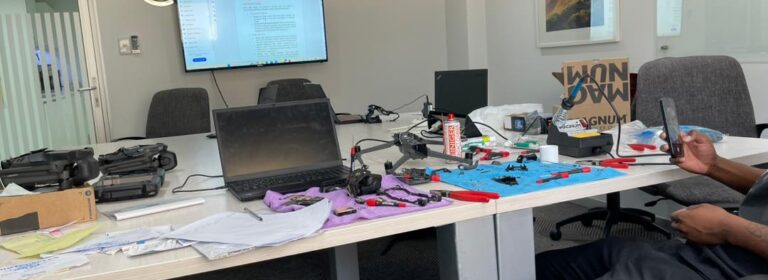
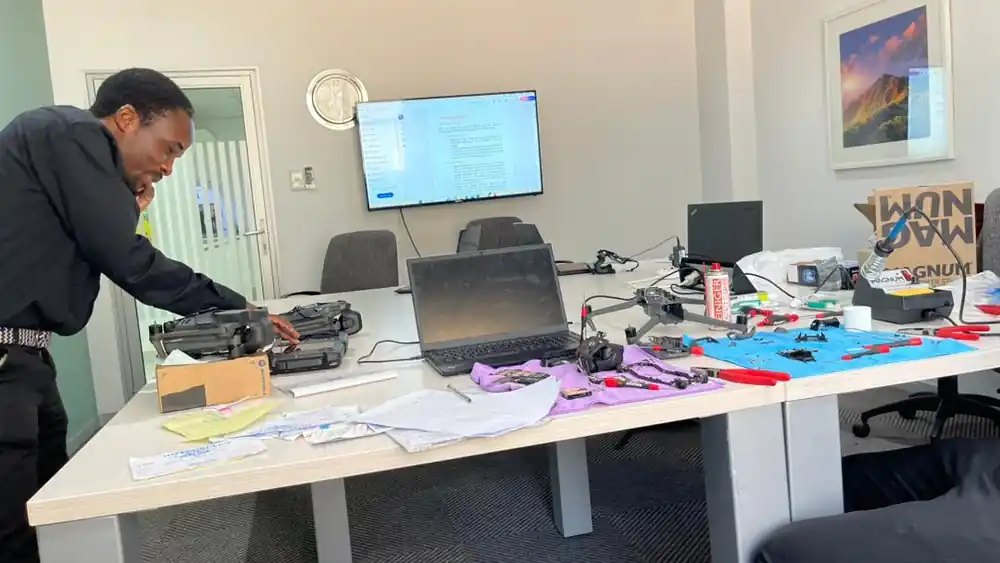
- Take a UAS Maintenance Technician (UASMT) course. This is the dedicated drone technician course. Ours is taught in our Randburg workshop by working technicians. See the drone technician course (UASMT).
- Get hands-on experience. Work alongside experienced technicians on real repairs. Workshops, agricultural spraying companies and enterprise operators all need help.
- Specialise. Agricultural drones, enterprise thermal platforms and mapping systems each have their own systems and demand.
Where the jobs are
- Drone repair workshops and service centres
- Agricultural spraying contractors and large farms running Agras fleets
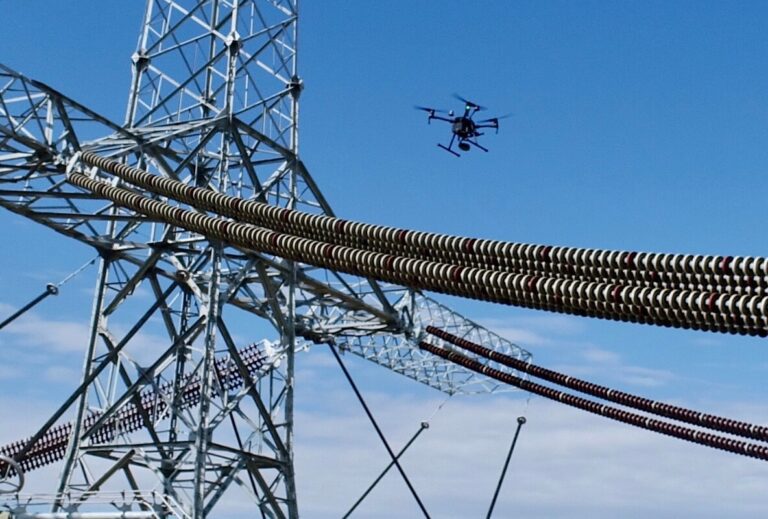
- Mines, survey companies and utilities with in-house drone teams
- Security companies running thermal drones and docks
- Your own business: many technicians start with a small repair service and grow from there
Frequently asked questions
Do I need a pilot licence to be a drone technician?
It is not always required for bench work, but you will need to test-fly repaired drones. Having an RPC makes you far more employable.
Is the course hands-on?
Yes. The UASMT course is taught in a working repair workshop, so you learn on real aircraft and real faults.
Can companies train their own staff?
Yes. Operators can send their team so that routine maintenance is done in-house and downtime drops.
Start your training
See the UASMT course or the full Omnisky Academy, or contact admissions on 010 634 1572 or WhatsApp 075 231 2982.