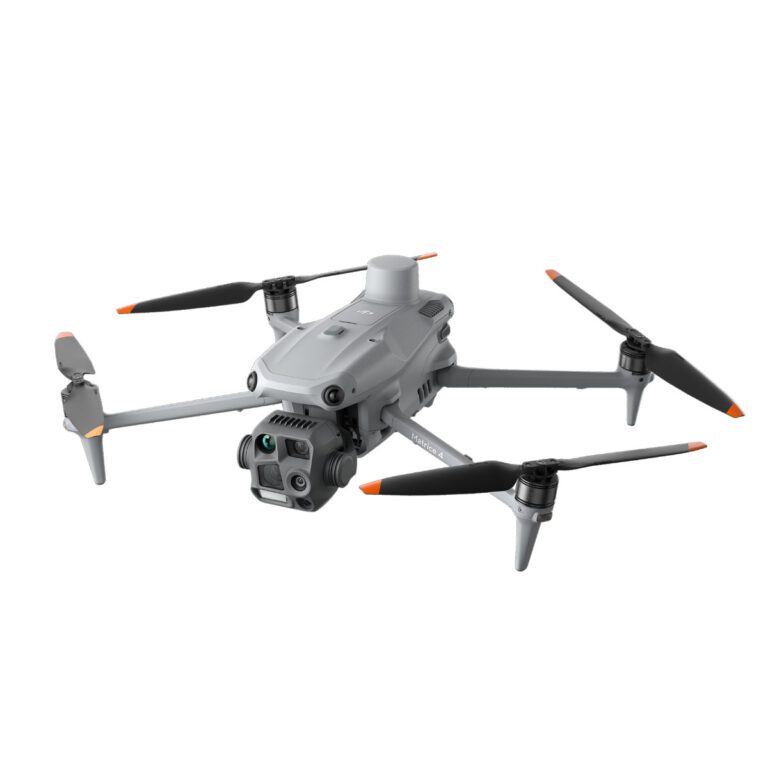
A DJI Agras spray drone is a serious piece of farm equipment. A few minutes of checks before and after every flight protect the aircraft, the crop and the people around it, and they make a big difference to how long pumps, nozzles and batteries last. This checklist works for the current Agras range, including the T100, T70P, T50 and T25.
Always follow the Agras user manual for your model, the label of the product you are spraying, and your SACAA operating requirements. Agricultural remedies must be registered in South Africa under Act 36 of 1947 and used as the label says.
Before the first flight of the day
- Airframe: check the arms are locked, frame and landing gear are not cracked, and all screws are tight.
- Propellers: look for chips, cracks or bends and replace damaged blades in pairs. Make sure they are fitted to the right motors.
- Motors: spin each by hand. It should turn smoothly with no grinding or play.
- Radar and vision: clean the radar and vision sensors. Dirt or chemical residue reduces terrain following and obstacle avoidance.
- Spray system: check hoses for kinks and leaks, the tank seal, the filters and every nozzle or centrifugal disc. Run water through first to confirm an even pattern.
- Batteries: check for swelling, damage or a dirty connector. Only fly charged batteries that are within the right temperature range.
- Controller and RTK: charge the remote controller, confirm the RTK or base station signal, and check firmware is up to date.
- Weather: check wind speed and direction. Do not spray in strong wind or when drift could reach neighbouring crops, homes or water.
Before each flight
- Confirm the field boundary, obstacles and the flight route in the DJI Agras app.
- Set flight height, speed, spray rate and droplet size for the product and crop.
- Make sure the take-off area is clear and people are at a safe distance.
- Confirm the tank is properly closed and the battery is locked in.
After each flight
- Let the battery cool before charging. Charging a hot battery shortens its life.
- Look for leaks, loose parts or new damage before refilling.
- Note anything unusual in the app logs, such as motor or pump warnings.
At the end of the day
- Flush the spray system with clean water until it runs clear, then clean the filters and nozzles. Dried chemical is the main cause of blocked nozzles and failing pumps.
- Clean the aircraft with a damp cloth or a low-pressure rinse as the manual allows. Do not use a high-pressure washer on the motors or electronics.
- Dry and inspect the arms, connectors and radar before storage.
- Store batteries at storage charge in a cool, dry place, away from fertiliser and chemicals.
- Record what was sprayed, where and when, for your own records and your client’s.
Regular maintenance
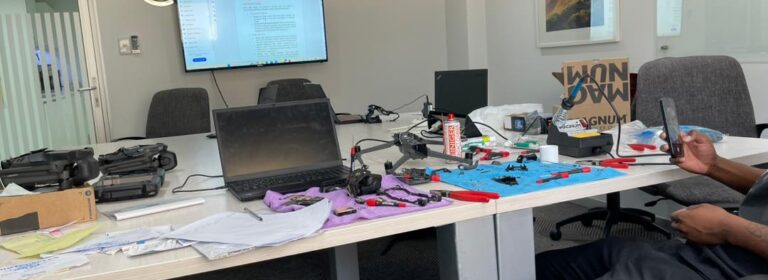
Agras drones work hard in dust, heat and chemicals. Plan a workshop service at the start and end of each season, or sooner if you fly many hectares. A service includes checks of the motors, ESCs, pumps, flow meter, radar and battery health, plus firmware updates.
Omnisky supplies the DJI Agras range, spare parts and nozzles, and services Agras drones from our Randburg workshop. Book a service or talk to us about a spraying setup.